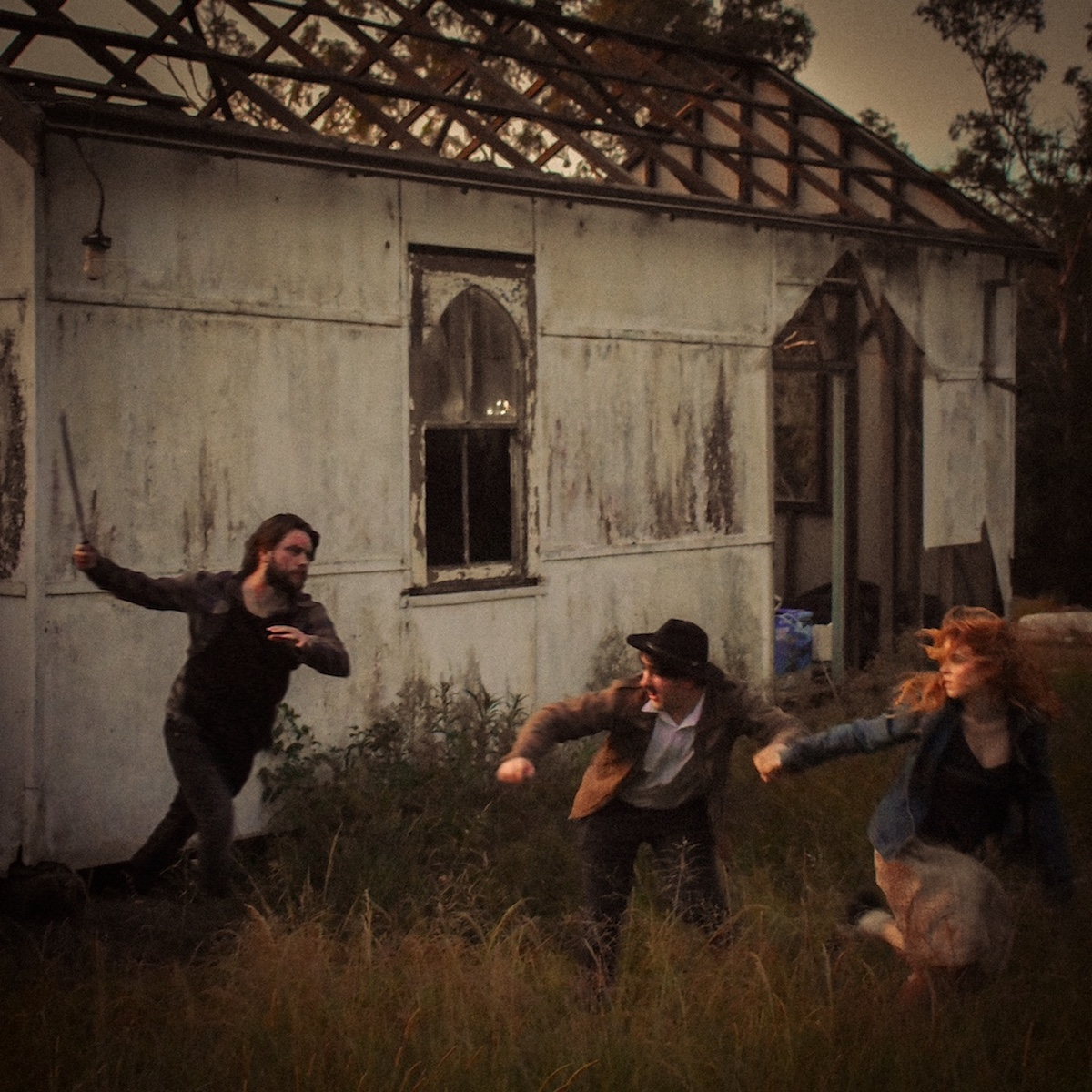
There is a distinct and jagged beauty in the geography of the Australian bush. It’s a landscape that is as pretty as it is dangerous, and the regional area of The Hawkewsbury is the foundation that Jean Elliot built her debut EP, Butcher, Lover, Runner (May 22nd) on. Inspired by rusted tin roofs, barbed wire fencing, and rural pubs, Jean has built a world shaped by lawlessness.
That lawlessness has a backstory, one that is rooted in the semi-fictionalised area known as The Devil’s Wilderness.
The story follows three central figures navigating their way in search of each other. The protagonist is forced into survival after being driven from town under false allegations of attempted murder, pursued by a violent brotherhood determined to kill her. Along the way, she encounters a highwayman who becomes both lover and accomplice, and together they carve a path of chaos through the bush until they ultimately confront the ringleader of the witch-hunt: The Butcher.
Butcher, Lover, Runner is a cinematic debut that operates at the intersection of outlaw country and alternative grit with a side of doom. It feels less like a standard EP and more like a lost indie horror score. With its narrative driven witch hunt providing tension across almost every track, Jean’s vocal delivery is the EP’s emotional anchor. She moves between the feral force “Wiretrap” and the fragile and haunting stillness of “Highwaymen” with control and intent.
As Jean explores the sometimes endless cycle of violence and the cruelty of nature with a maturity, it suggests these stories have been living in the dense scrub of her mind for years. There is also a restless musicality that draws from the dark storytellingand the atmospheric dread like that of Twin Peaks, yet remains grounded in Australian gothic-noir.
Butcher, Lover, Runner doesn’t invite one in. It pulls them into the thick of its world, leaving them covered in the red dust of The Devil’s Wilderness. It stands as a sharp interruption to the folk-country world and introduces an artist who understands that the most gripping stories are often found where people are most afraid to look.
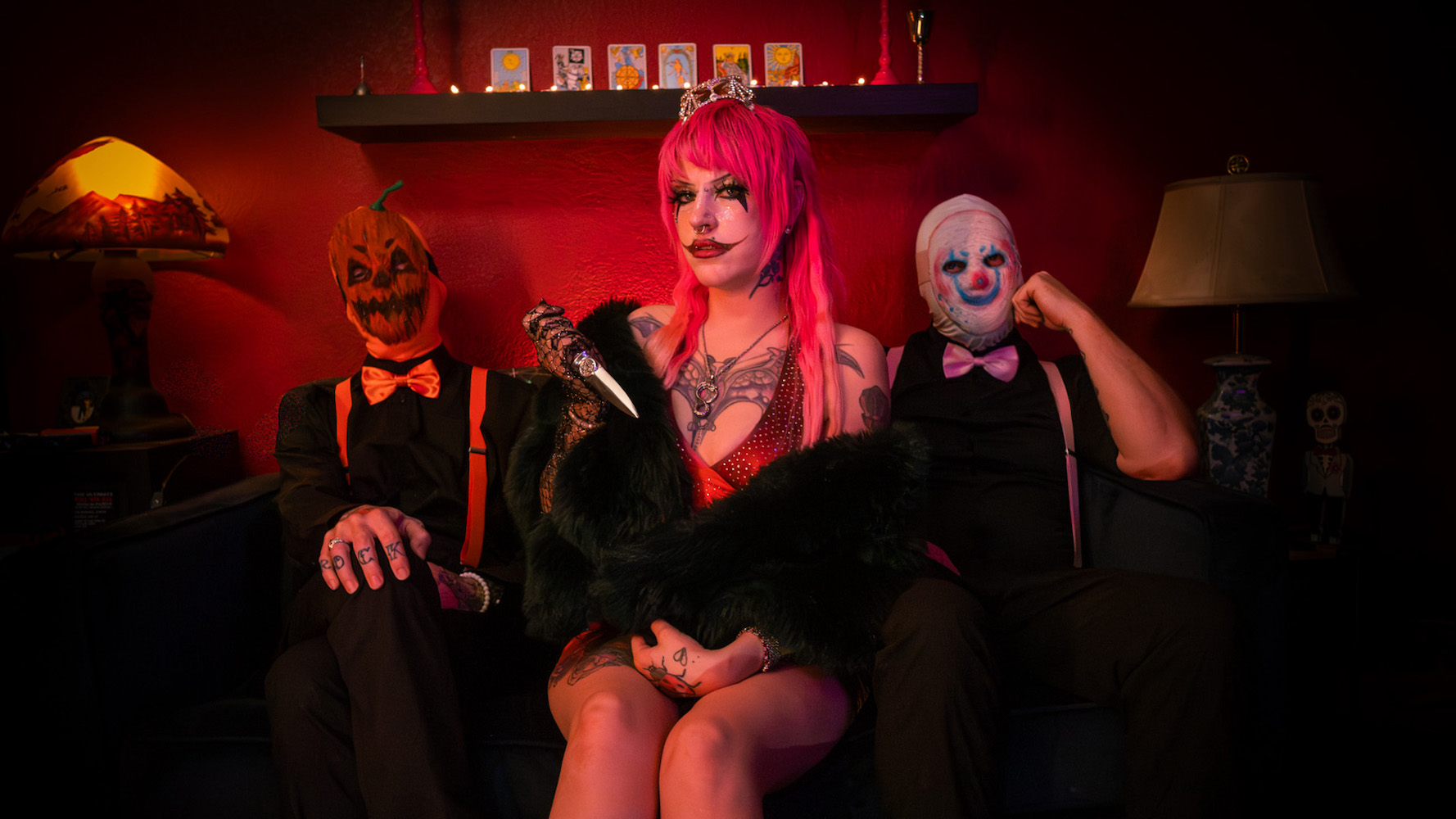
Artwork Photo by Wilma Acosta
Artwork Edit by Layla George