I spent some time looking at the comments about a photo Yungblud shared with Till Lindemann. The reaction was almost instantaneous from Yungblud fans. It was a sharp digital recoil fueled by a sense of betrayal. The fans weren’t just disappointed in Yungblud. They were demanding a public scrubbing of the association. It was a textbook moment of modern moral hygiene. While on the other side, Till’s fans stood by their man and expressed their disappointment in the younger musician’s action.
As I watched the fallout, I couldn’t stop thinking about the silence surrounding Yungblud’s public admiration for, and collaboration with, Steven Tyler. There is a strange and unspoken hierarchy in how we process the “problematic” histories of our musical icons. We seem to have a selective filter where the gravity of an artist’s status or the decade they belong to dictates how much moral weight we allow their actions to carry.
The backlash against the photo felt like headline news because it happened in the “now.” Even though the Berlin Public Prosecutor’s Office discontinued its investigation into Till Lindemann in August 2023 due to a lack of evidence, the stain remains wet in the public consciousness. Because it is a contemporary headline, associating with him feels like an active choice. A vote cast in the present day that people can see and react to on a timeline.
Then there is the contrast of Steven Tyler. While fans policed a single photograph with Till Lindemann, the response to Steven Tyler who is currently facing a civil lawsuit regarding a documented relationship with a minor in the 1970s is largely muted. We treat Steven Tyler’s history as if it were baked into the foundation of rock and roll itself. It is treated as “historical data,” and an uncomfortable fact that we’ve collectively decided is settled, or at least far enough away that it doesn’t interfere with the hook of a classic song.
The same tension in the recent co-headline tour announcement of Rob Zombie and Marilyn Manson. The protest and boycott is because Marilyn Manson is a legacy artist attempting to exist in a modern space. Unlike Steven Tyler, whose narrative is often protected by the “rock star” mythology of the 70s, Marilyn Manson’s reckoning is happening in the era of the viral thread.
While the Los Angeles County District Attorney’s office declined to file criminal charges against Marilyn Manson on several older allegations due to the statute of limitations and the civil battles keep his “shadow” active. He hasn’t yet earned the immunity of a “classic” pillar, so his presence on a tour poster feels like a provocation. We attack the tour because it feels like an active choice to ignore the present, while we excuse the legacy of Steven Tyler because we don’t want to do the hard work of deconstructing the foundations of the music we already love.
This inconsistency suggests that we aren’t actually policing morality but that we are policing the feeling of our own listening. It is easier to be angry at a photo on an Instagram timeline than it is to deconstruct the massive and culturally essential catalogs of artists who have become untouchable. One requires a comment and the other requires us to let go of a piece of our own identity.
When does an action have consequences? In the current landscape, it feels like they only stick when the target is easy to hit and the music hasn’t yet become “canon.” If we demand accountability from the artists in the room today while giving a pass to the legends of yesterday, then we aren’t practicing a standard of ethics. We’re just performing accountability when it doesn’t cost us anything.
We owe it to ourselves to be more honest about that. If we allow “legend” status to act as a moral buffer, we aren’t holding anyone to a standard. We’re just choosing which ghosts are too loud to ignore.
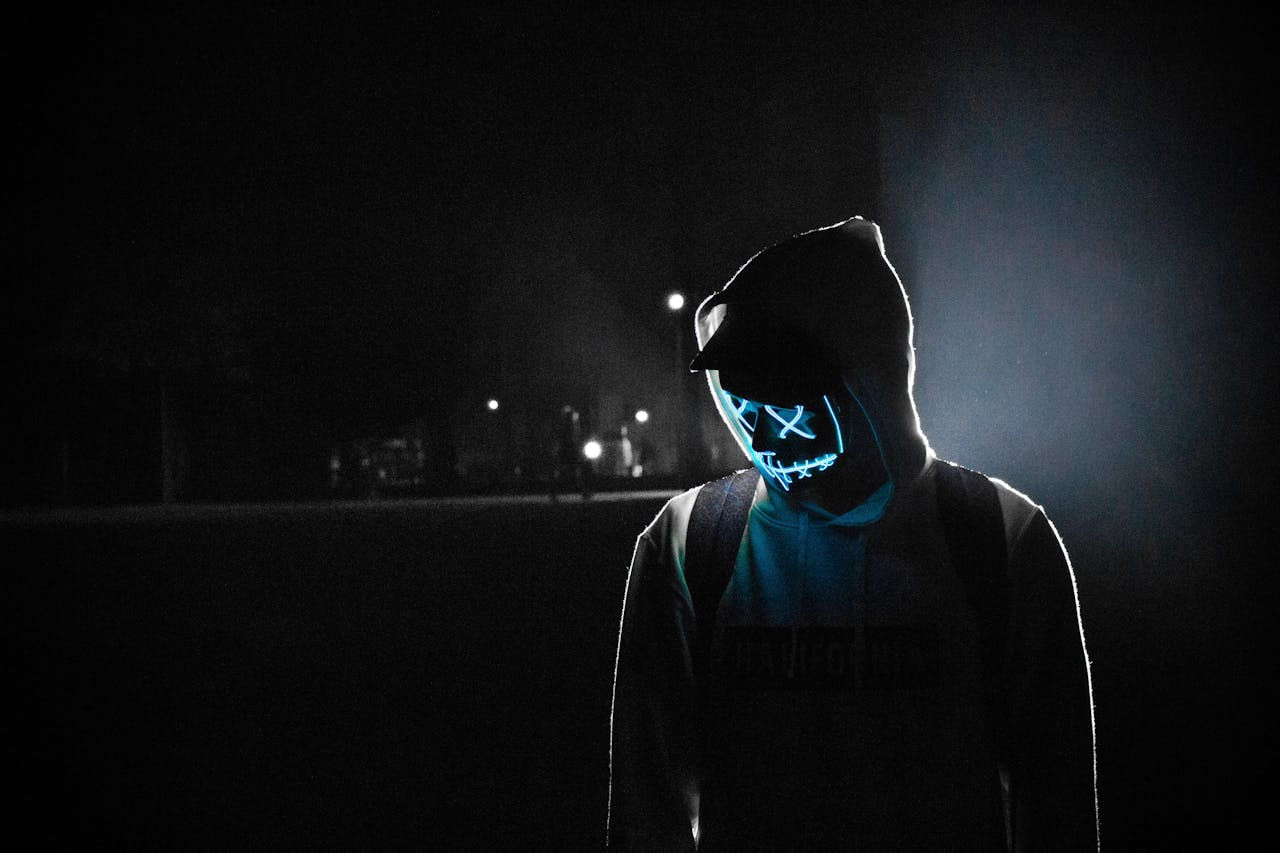
Photo by Sebastiaan Stam